What are signs that my AC unit needs repair?
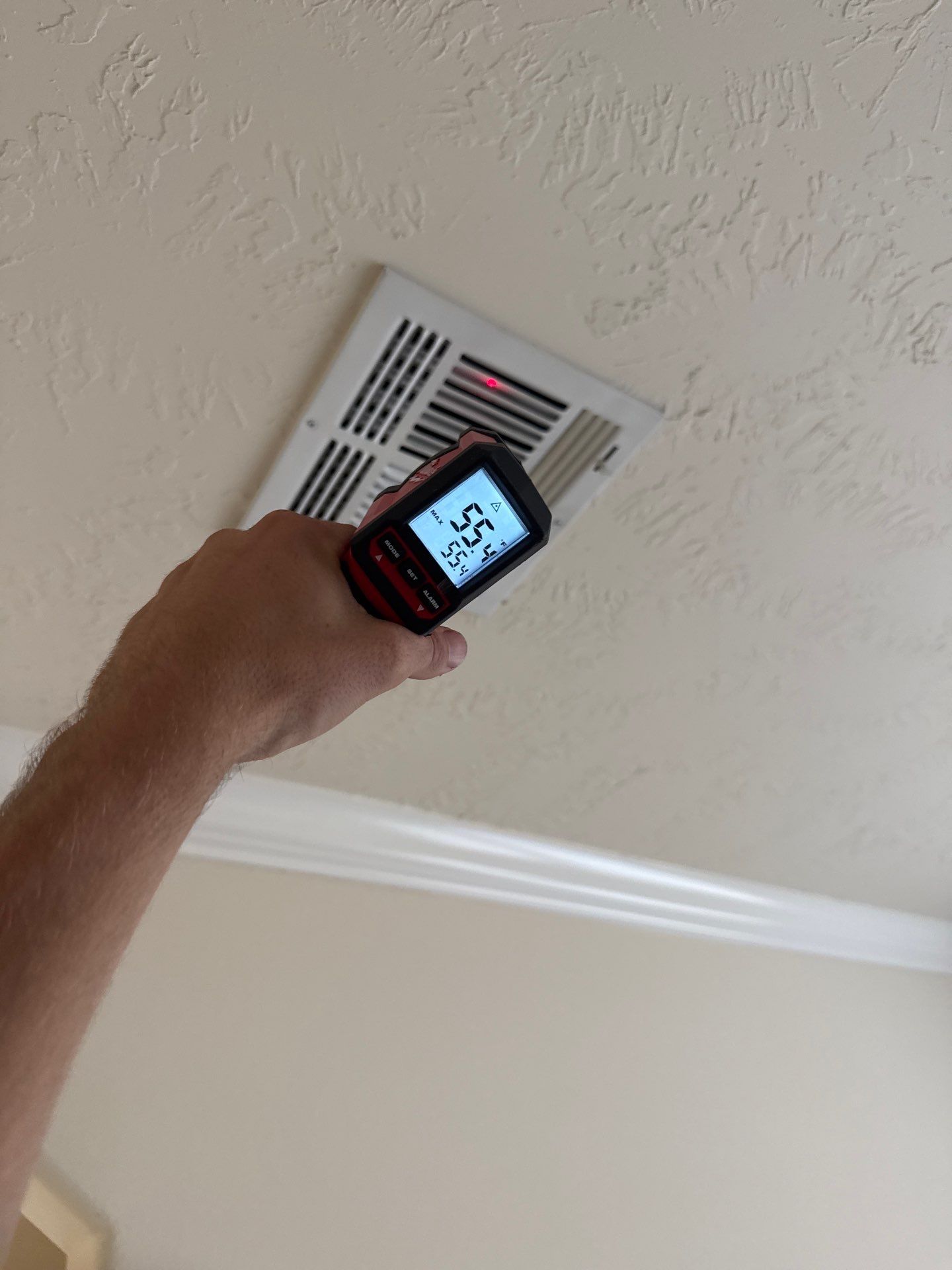
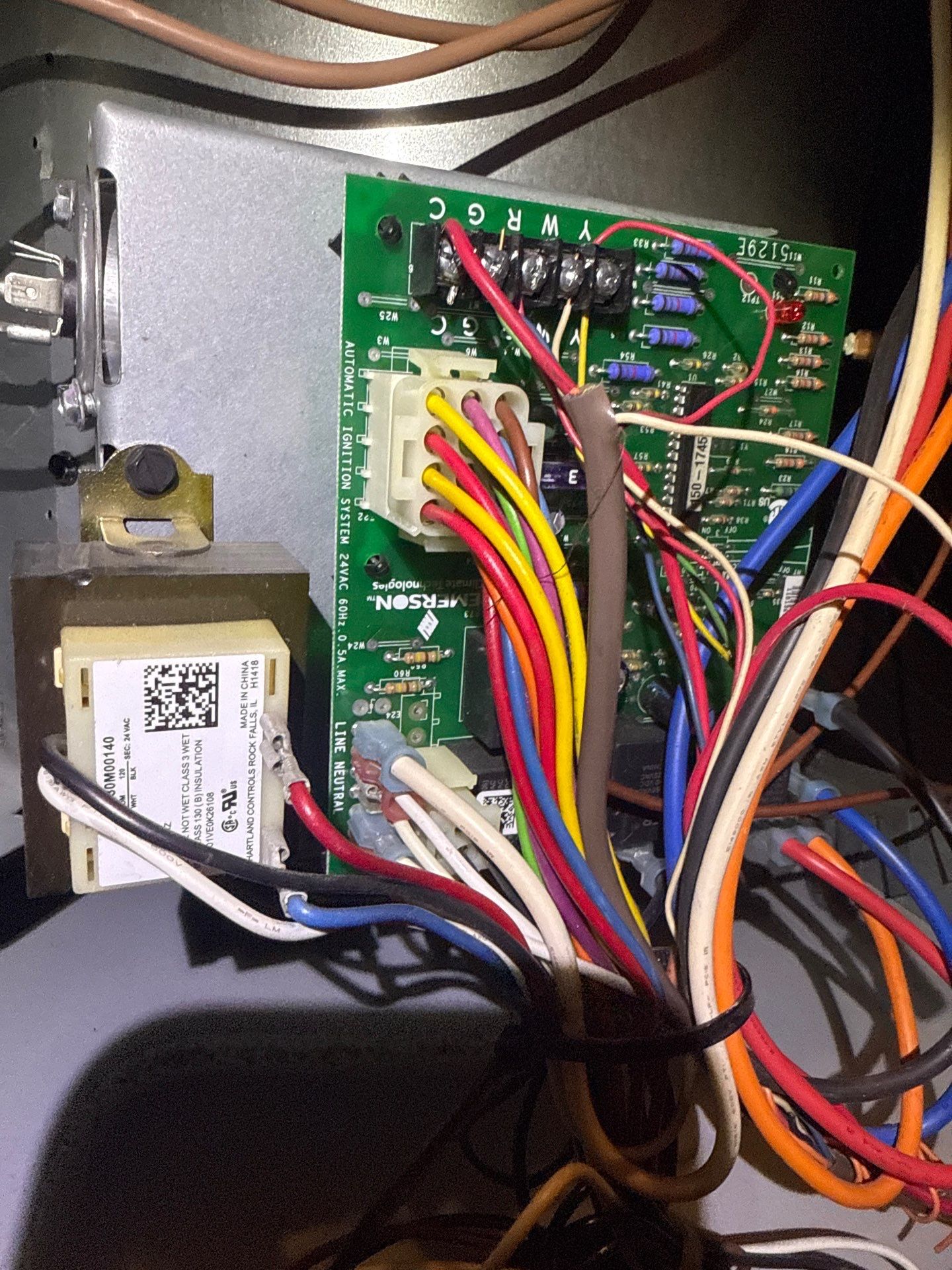
Signs include the system not cooling at all, water leaking out of the secondary drain, reduced cooling efficiency leading to high electricity bills, strange noises or odors, frequent cycling on and off, or any visible leaks or damage.
Should I repair or replace my AC system?
This is always a great question to ask. One of the main factors to consider in this decision is the age of the system. Most systems today last 12-15 years on average. So if your AC system is 14 years old and the compressor goes out, it may make more sense financially to replace the entire system instead of paying for a costly repair. An HVAC rule of thumb for determining whether to repair or replace an HVAC system is the $5,000 rule. You can multiply the age of your equipment by its estimated repair cost. If the result is under $5,000, then repairing the system is likely the route to go. If the result is over $5,000, then it is likely time to consider a replacement.
Why is water dripping out of the little pipe below my roof?
This is a great question that a lot of people do not understand. That little pipe is connected to the secondary drain pan or auxiliary drain pan on your AC system. When the primary condensate drain line is blocked, then the water starts dripping into the secondary drain pan and starts to flow out of the secondary drain line, which comes out of that little pipe. By code, the little pipe should be visible and is typically ran over a window in the front of your house. However, it could be in another location. If and when you experience this, you need to clear the primary condensate drain line.
Do I need to "top off" my refrigerant occasionally?
Refrigerant, or Freon as some people refer to a common brand, never needs to be topped off. The refrigerant in our AC systems works inside of a closed loop system. It evaporates and condenses to move the heat from inside your home to the outside. As long as the system was properly installed and none of the major components has a leak, then the system will not lose refrigerant or use it up in any way. If it is losing refrigerant, then there is likely a leak in the system. This means that a leak search needs to be performed.
Can a refrigerant leak be repaired?
If the refrigerant leak is in the copper line set, then there is a high probability that the leak can be repaired as long as the leak is accessible (not hidden behind a wall or something). If the refrigerant leak is located in the evaporator coil or condenser coil, then it is almost impossible to repair in the field. The best path forward is to replace the coil that is leaking. The reason is due to the fact that most coils these days are aluminum. This thin aluminum is difficult to repair, especially when needing to do so in the field. The labor costs would be higher to remove it and take it to the shop for repair then simply replacing the coil.
What is a capacitor?
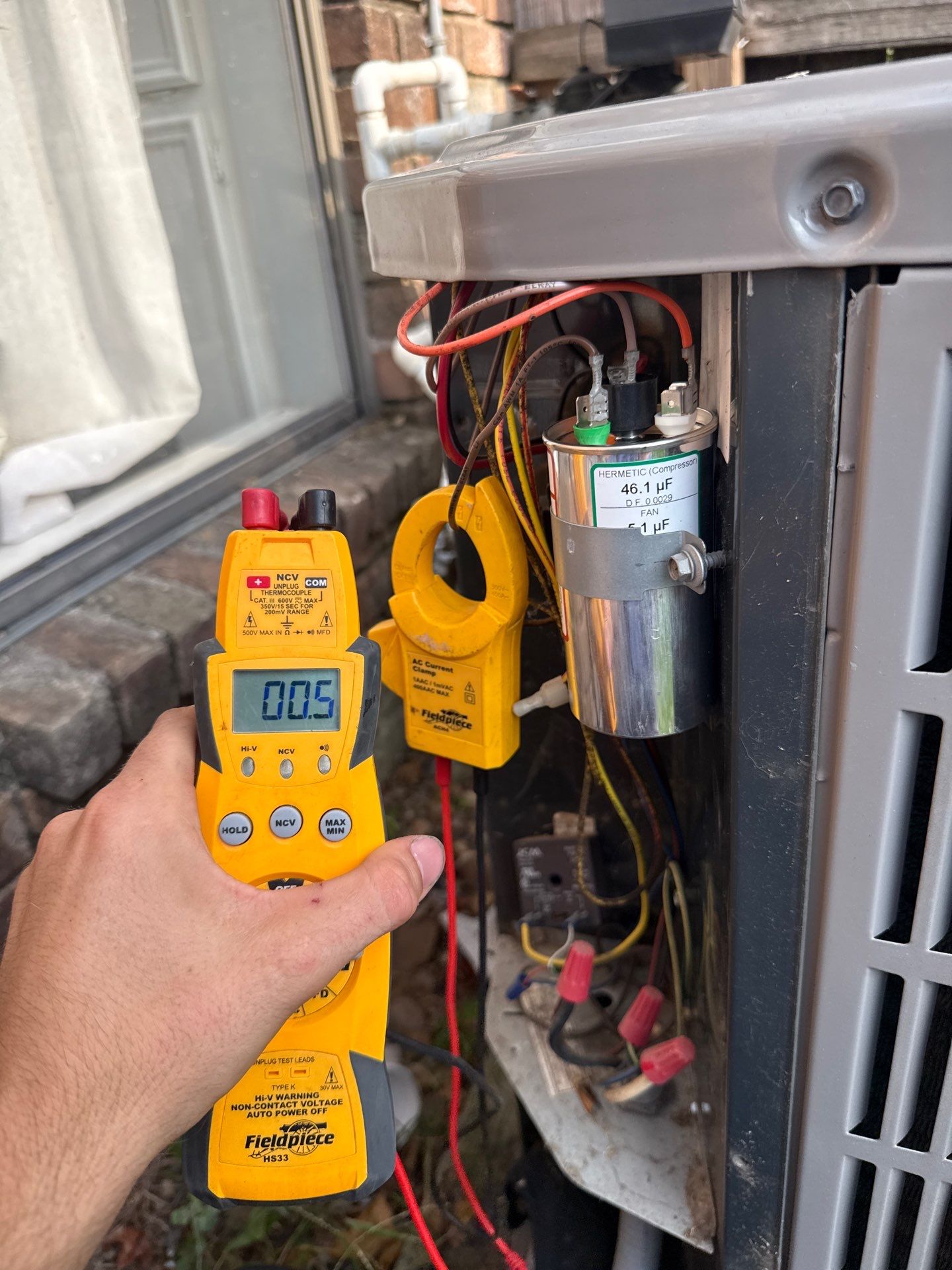
A capacitor helps start and run a motor or compressor. When it fails or is no longer in range, the equipment may not come on at all, or it can put extra strain on the motor or compressor. Take the compressor capacitor for example. You can think of it as a power booster to get your compressor started. The compressor takes 5 to 10 times more power/amperage to start than it does to run. For that reason, it needs a capacitor to help start it. Now think about how many times your AC turns on and off throughout a day....a month....a year! For that reason, the capacitor is pretty critical. With all that usage, a capacitor can go out of range or out altogether every few years.
If a capacitor costs $10, why is it so expensive to replace?
This is a very common question and a fair question. At Uni-Serve Air Conditioning, we are in the business of providing high quality air conditioning services to our customers. This includes several aspects, such as having communication systems to answer calls, get those calls scheduled, and respond to those calls. This includes having the proper licenses and insurance. This includes having the vehicles and tools to be able to respond to those calls. And all of this takes the reliable, trustworthy people we hire on our team that we want to pay fairly and generously. It takes software, tools, vehicles, insurance, gas, tolls, etc. that all costs a lot of money these days! With all that said, there's a higher cost than simply the part. Our customers pay US to find the problems and take care of the problems. For that reason, we need highly skilled people that can do all that in an efficient amount of time.
What is a compressor saver or hard start kit?
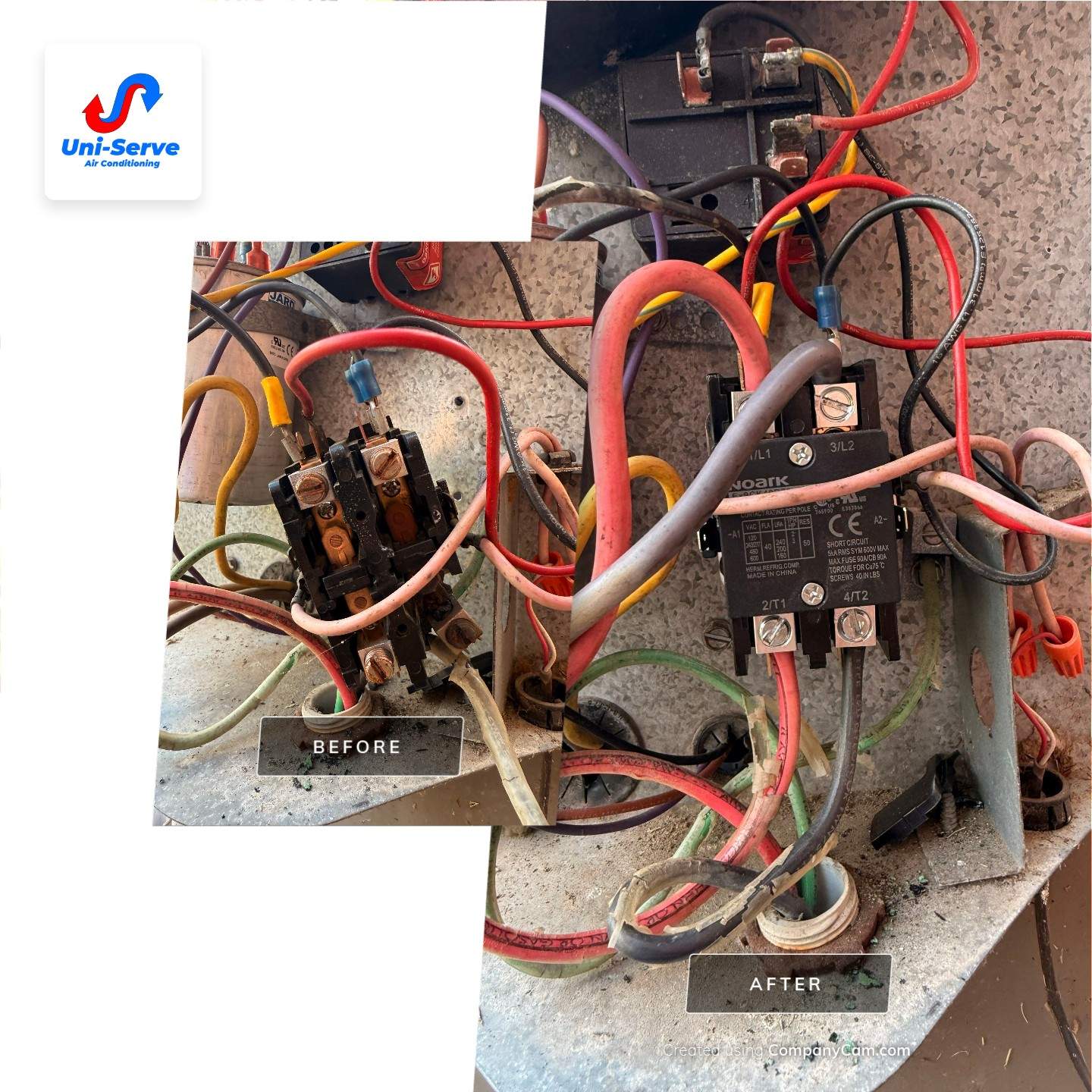
This is somewhat of a continuation of the capacitor question. A compressor saver or hard start kit wires into the capacitor and contactor of your outside unit to help start the compressor more efficiently. Your air conditioner can use 5 to 10 times more power during start-up than it does while running. And, this burst of electrical current often comes with a surge of heat which has the potential to eventually damage the compressor, terminals, windings and capacitor – all vital and expensive components in your air conditioning system. A compressor saver, or hard start kit, protects these expensive components by significantly reducing the amount of time required for your compressor to start – in some cases up to 50%. This results in less stress, strain and heat build-up in your compressor during every start.
What is the difference between a hard start and a soft start?
A soft start allows your air conditioner to start more smoothly by gradually increasing power to the compressor. This reduces the large electrical surge that normally happens when the system starts. The result is quieter startups, less strain on the compressor, and improved reliability. Soft start devices can also help systems run on backup generators. A hard start on the other hand dramatically reduces the amount of time required for the compressor to start. To summarize, a soft start spreads the amp draw out over a few seconds to help start the compressor while a hard start reduces the high amp draw to a fraction of a second. Soft starts also have other voltage variation protection capabilities and are more expensive whereas hard starts are simple, less expensive devices.
Can I repair my AC unit myself?
It's not recommended to attempt AC repairs yourself, as it can be dangerous and may void your warranty. It's best to leave repairs to trained professionals.
How long does an AC repair typically take?
The duration of HVAC repairs depends on the nature and extent of the problem. Our technicians strive to complete repairs efficiently while ensuring quality workmanship.
What can I do to prevent AC problems in the future?
Regular maintenance, changing air filters regularly, keeping the outdoor unit clean and free of debris, and addressing any issues promptly can help prevent AC problems and prolong the lifespan of your system. At Uni-Serve Air Conditioning, we're dedicated to providing reliable AC repair services to our customers in Houston.